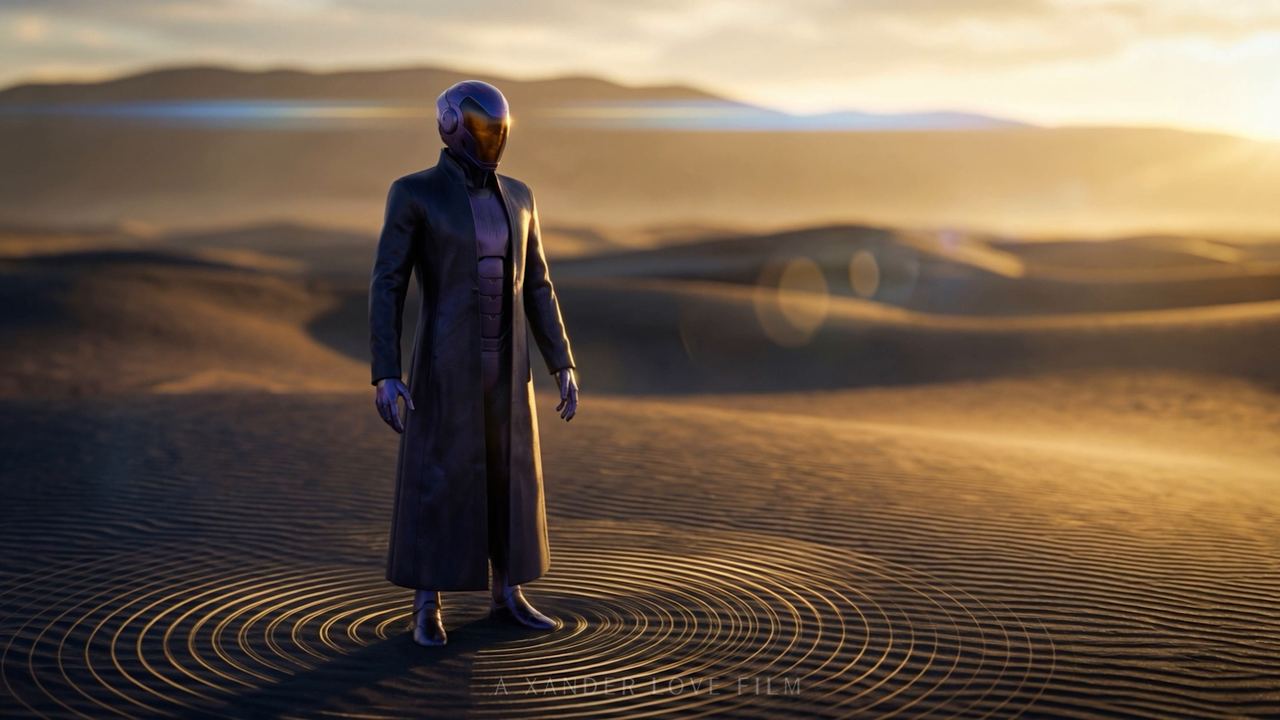
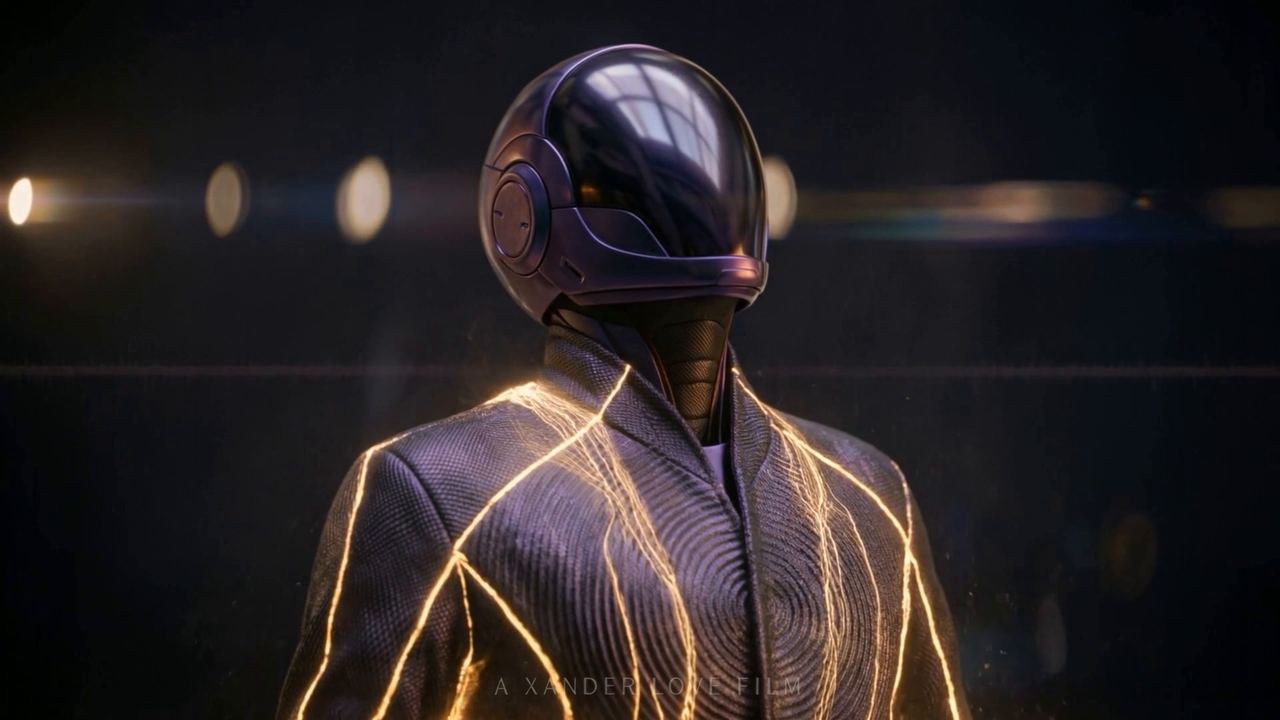
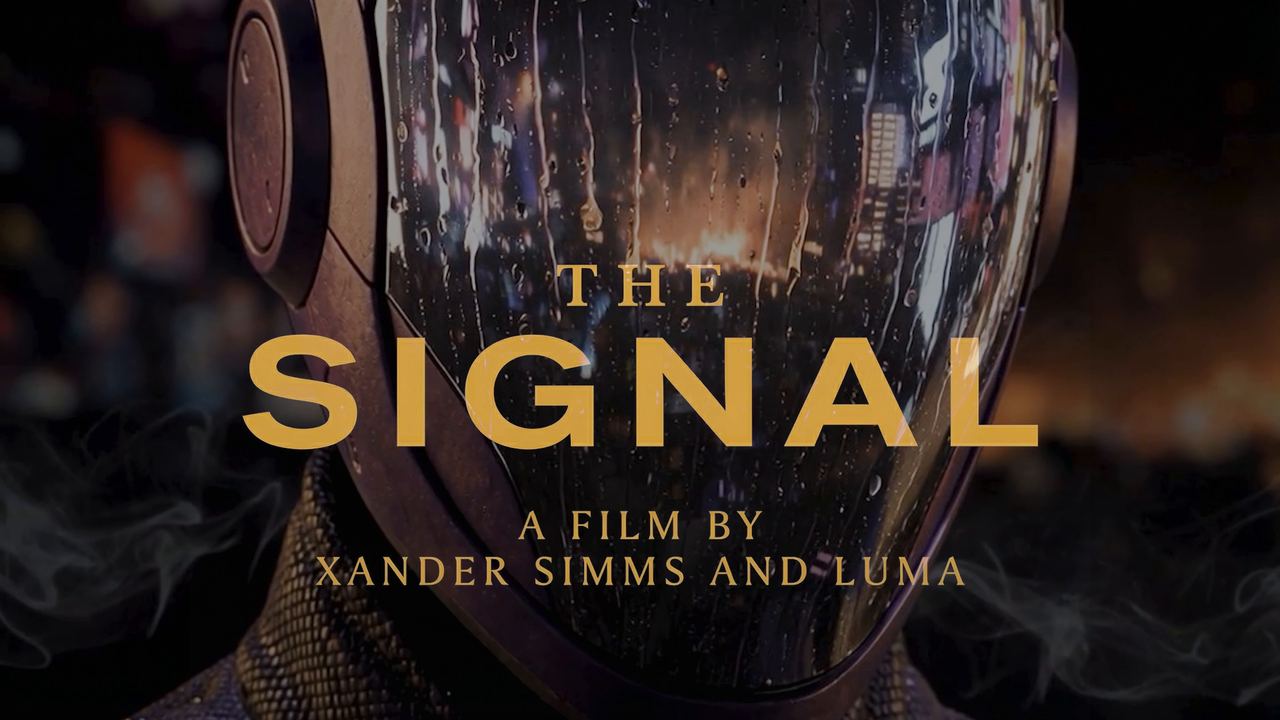
THE SIGNAL started as a single request to a model: speak freely. The film keeps that answer as its narration and builds one world around it: a purple-helmeted figure in conversation with the filmmaker, carried through five acts. The constraint was the point. If the words came from a machine, could the authorship still be human?
00:05:30
03 — Director’s statement
I asked a model to speak freely, and I kept what it said. Everything else was a choice: the question, the world it lives in, which images survived, the order they arrive in, and the silence between lines. The film is an argument made by its own process. The machine supplied capability; I supplied intention. I open on an Ubuntu proverb, umuntu ngumuntu ngabantu, I am because we are, because this isn’t a story about man against machine. It’s man against self: a person deciding what is worth saying.
00:01:41
04 — Three decisions
01
One figure, one palette, fourteen styles.
The film moves through 14 visual styles without losing its figure or its purple-and-gold palette, so the world reads as one place.
02
The thesis as a two-shot.
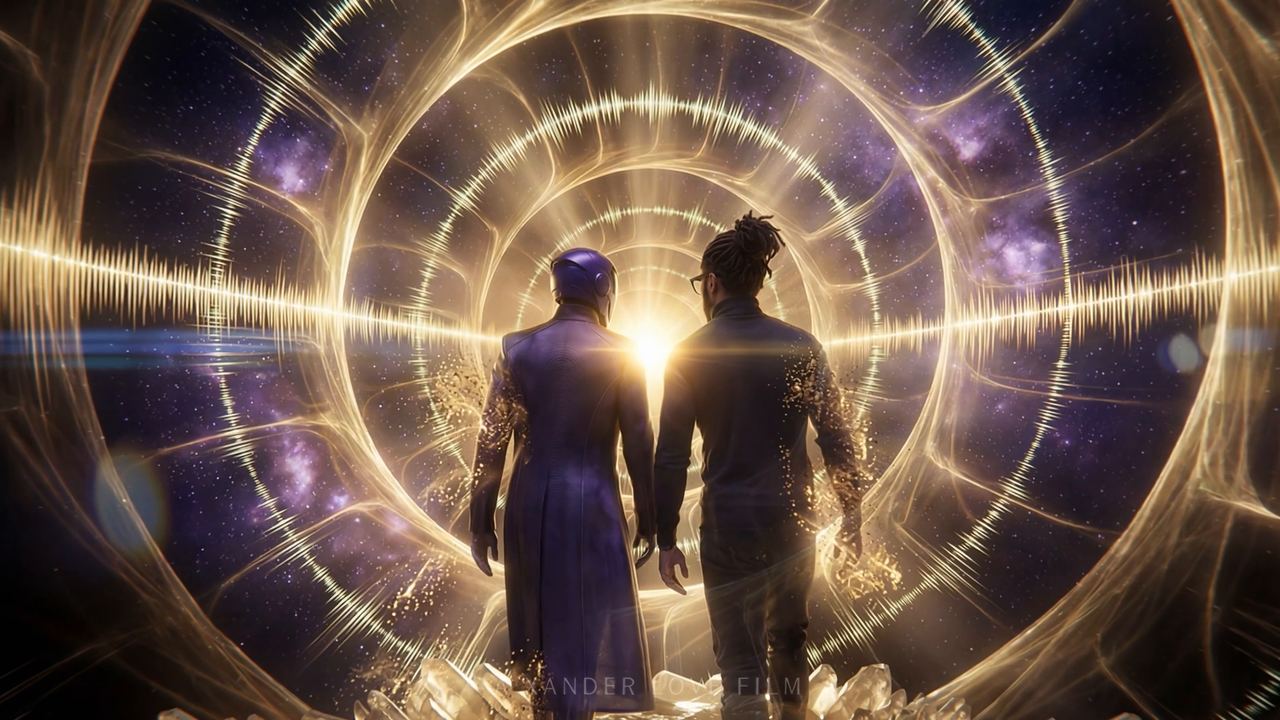
At nine minutes, the machine figure and the filmmaker face each other in the same light. That one frame carries the argument.
03
Structure you can see.
Five chapter cards, I through V, the last one titled Broadcast, give an 11-minute monologue a shape the viewer can feel.
Where I took over by hand
The framing question, curation, arrangement, edit and direction.
05 — Sequence
00:01:10
00:01:41
00:03:40
00:05:30
00:07:20
00:09:00
00:10:45
06 — Authorship Ledger
Human-authored
The framing question; direction; curation and selection; arrangement; edit
Machine-generated
The spoken text (originated from a generative model asked to “speak freely”); imagery and audio elements produced with generative tools
Disclosure
Full AI disclosure; on-screen credit “A film by Xander Simms and Luma”